 SKAP
Philippine heritage on Wikimedia
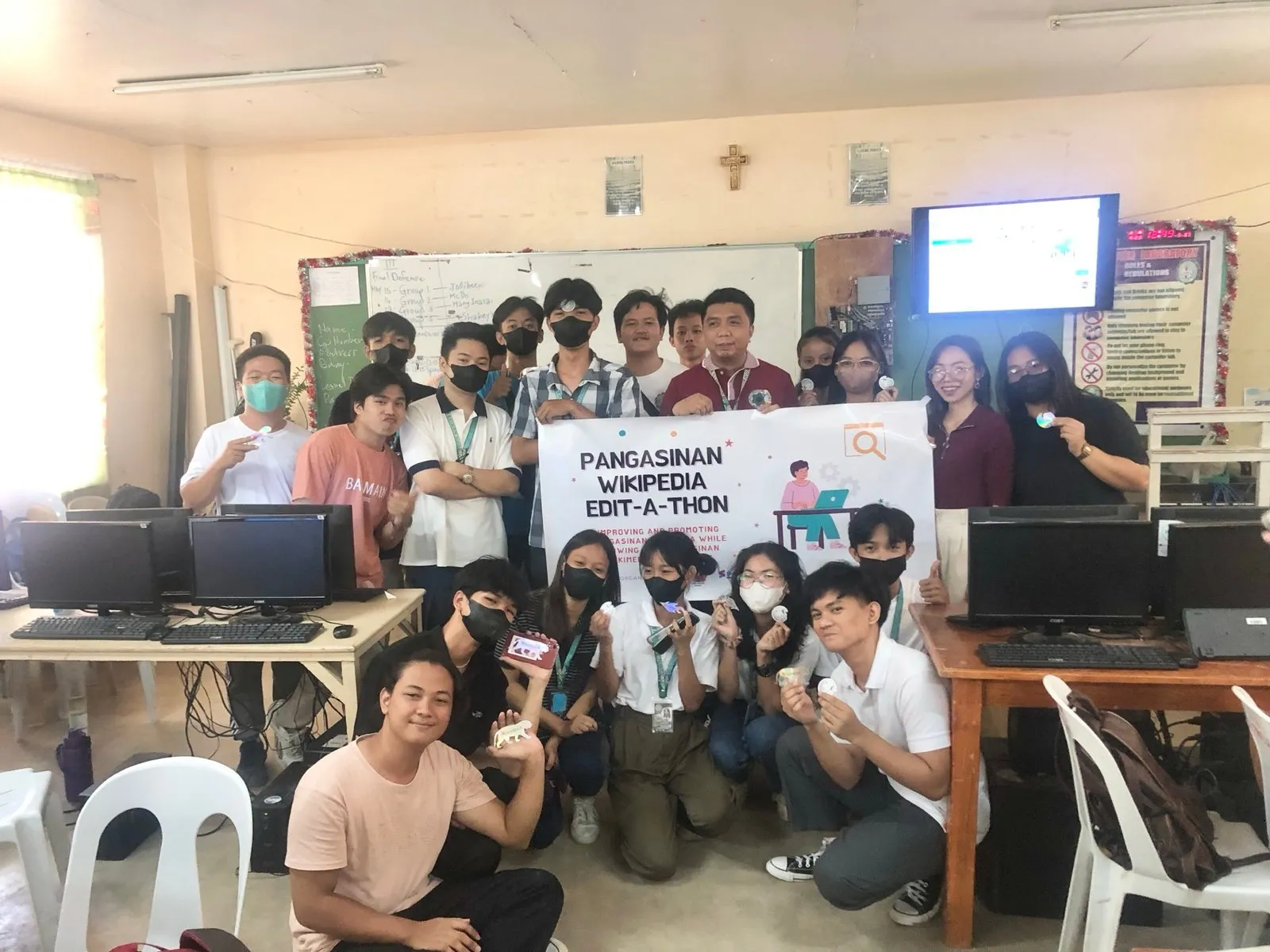
102 volunteers in Lingayen, Pangasinan and across the islands record festivals, languages, local laws and public data, and publish them free on Wikimedia.
Latest projects. Running in 2026.
-
 For LGUs
SALIN 2026
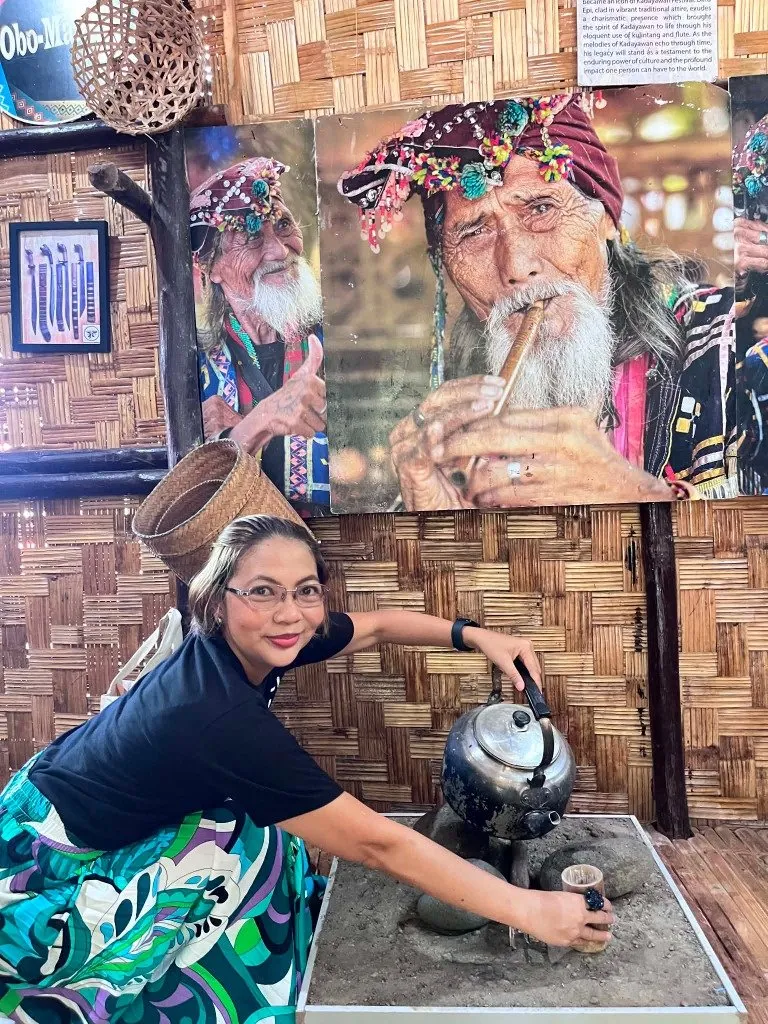
Helps local governments document living heritage and local knowledge.
-
 Davao first
Philippine Knowledge Continuity Initiative
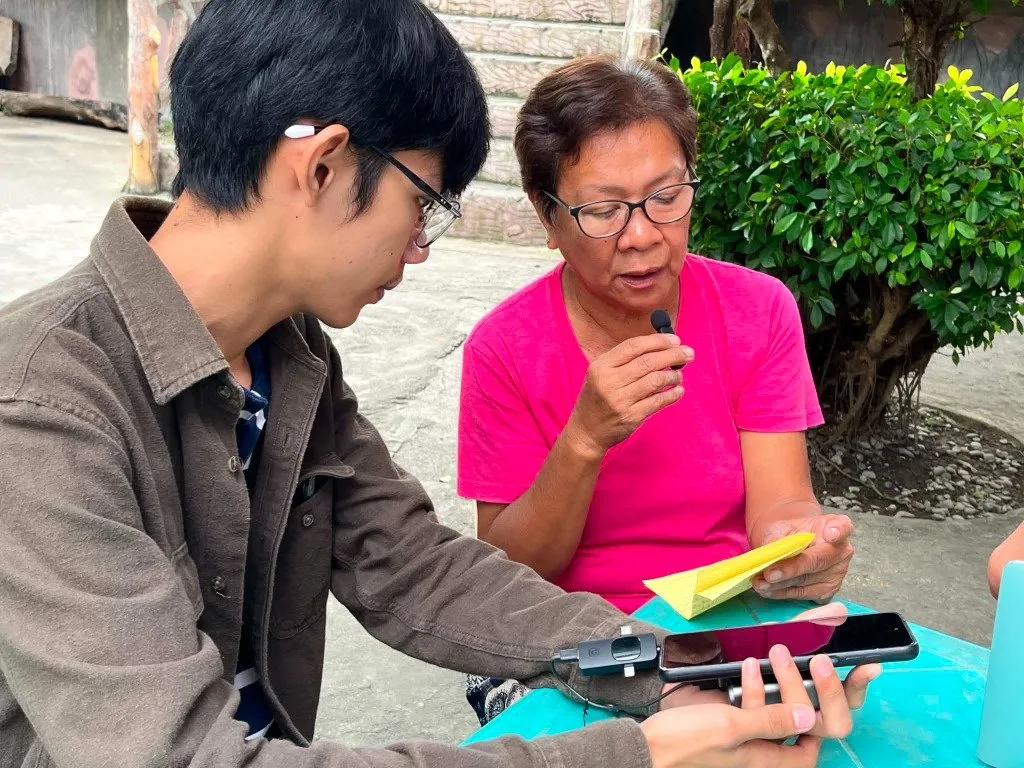
Oral histories recorded with consent, with five WikiClubs.
-
 Cordillera
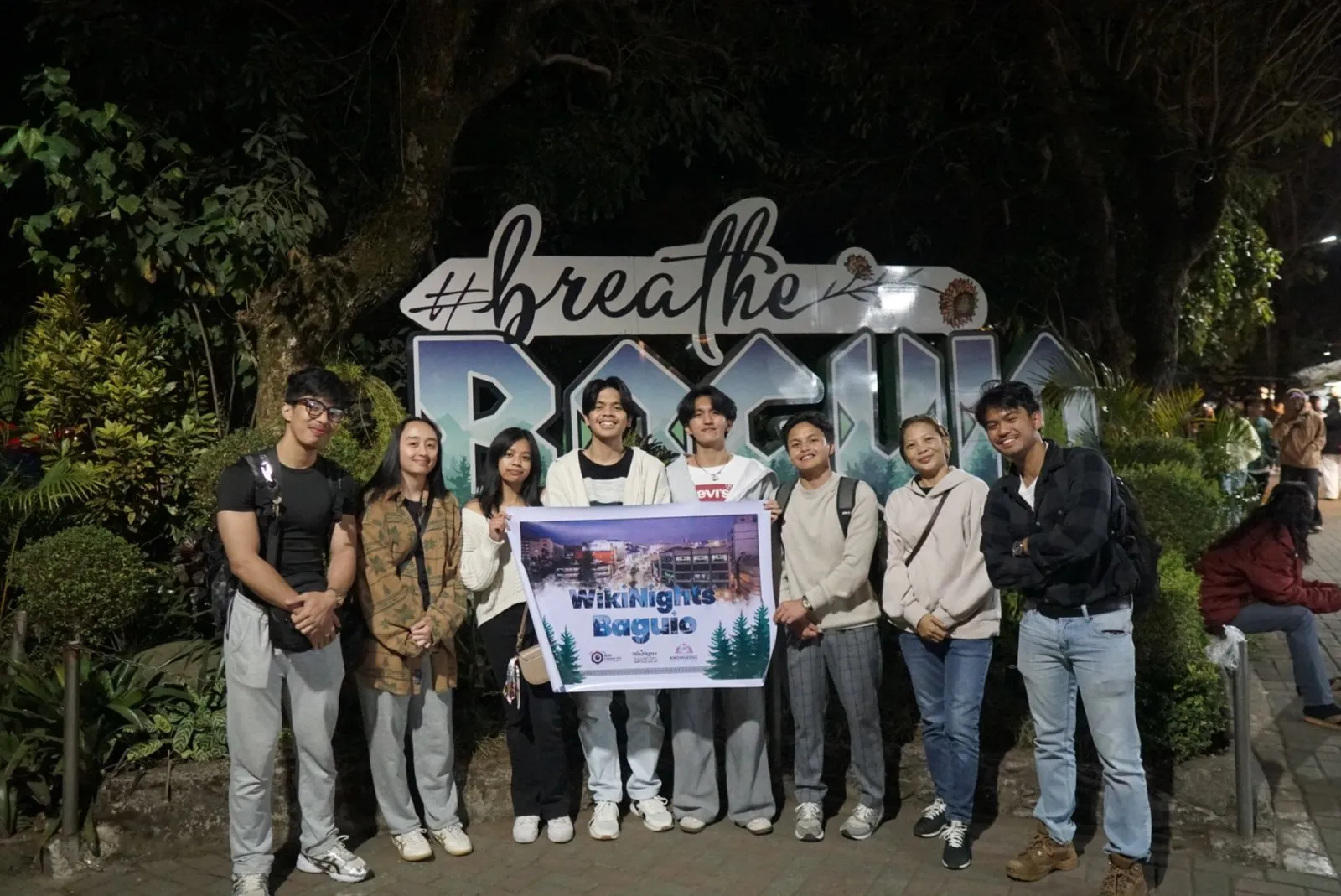
WikiNights Baguio
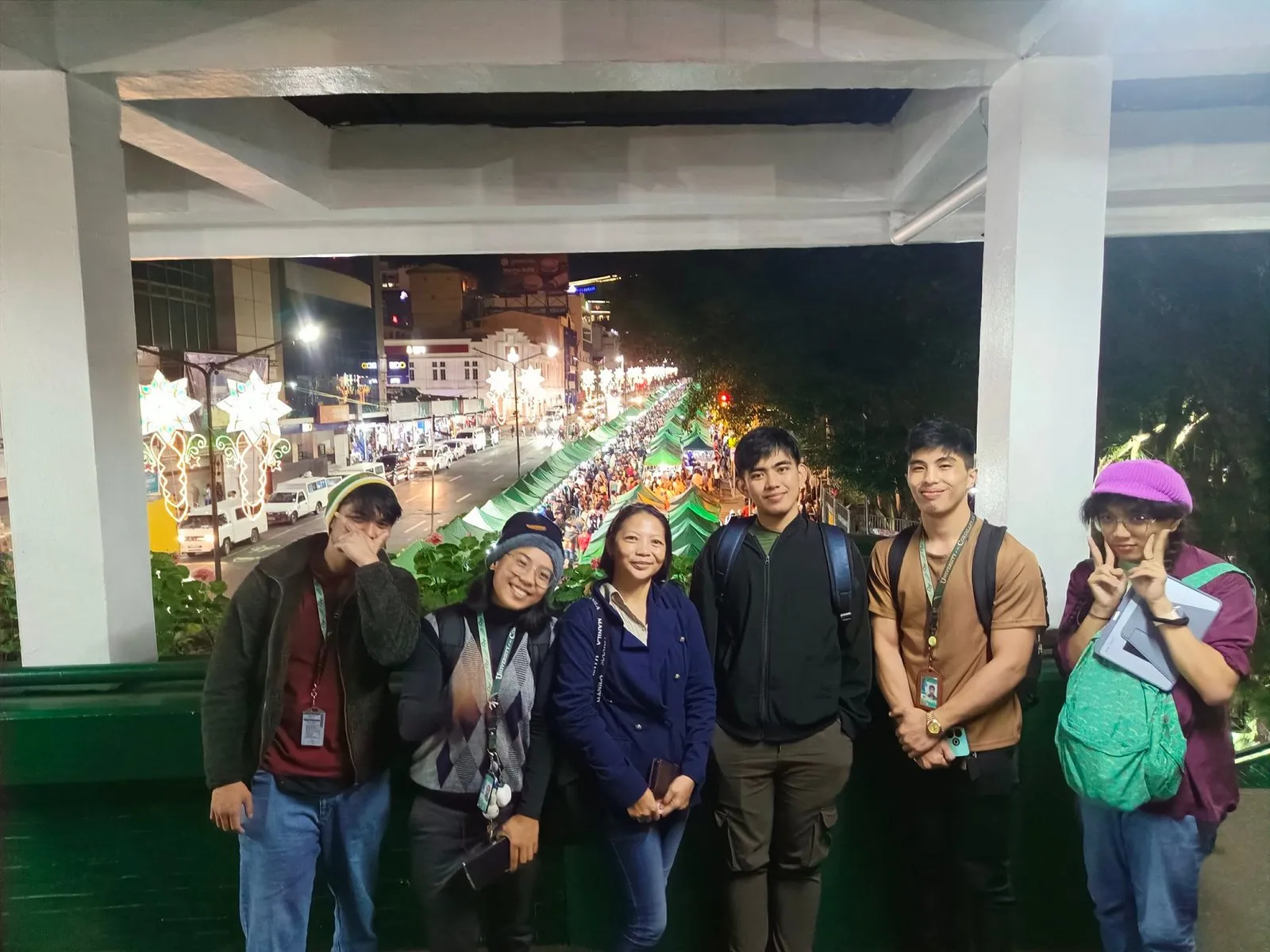
The first WikiNights in the Cordillera: editing Wikipedia after dark.
-
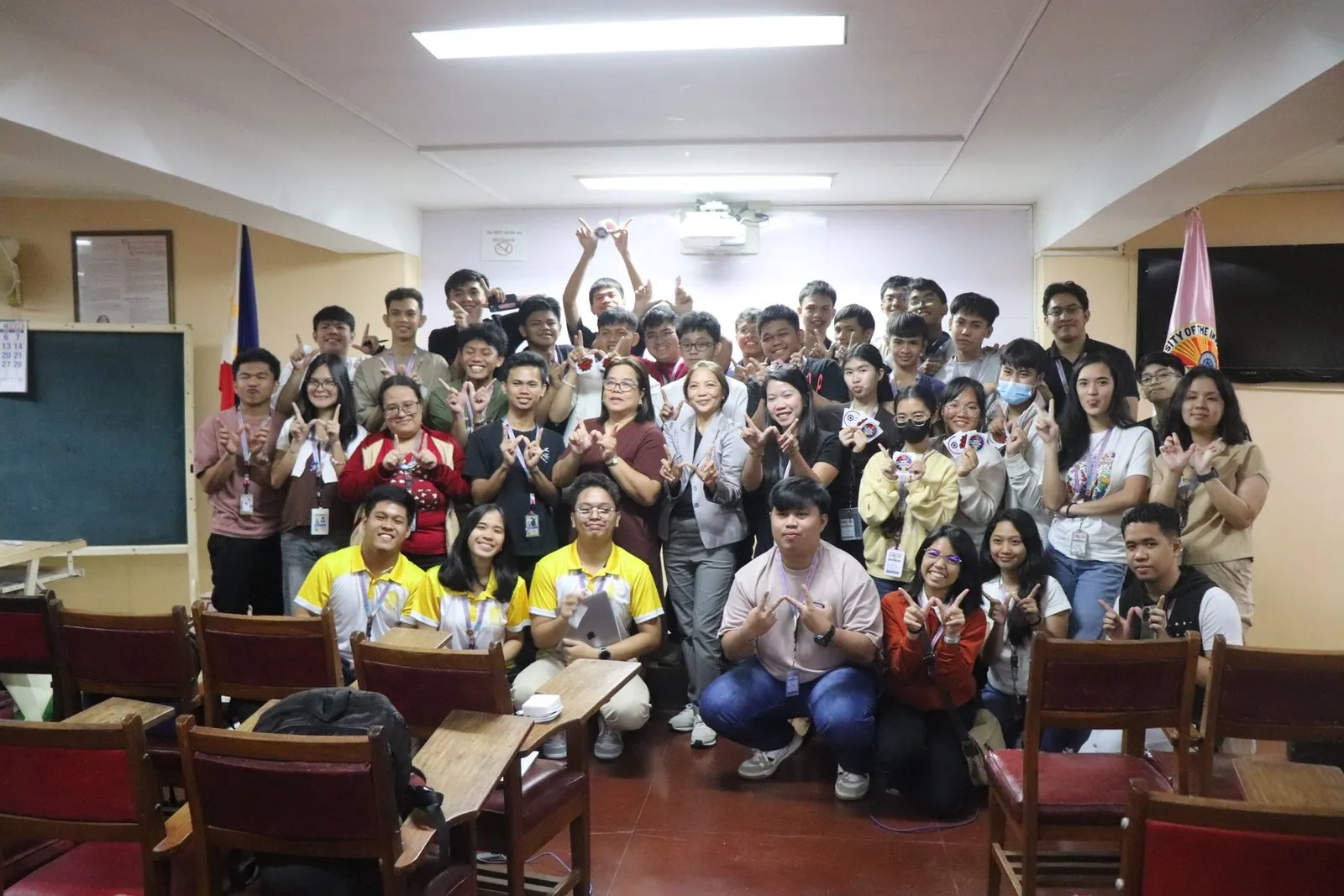 Davao
WikiWomen Davao & WikiClub Davao Launch
Launched in Women's Month to grow the Wikimedia community in Mindanao.
-
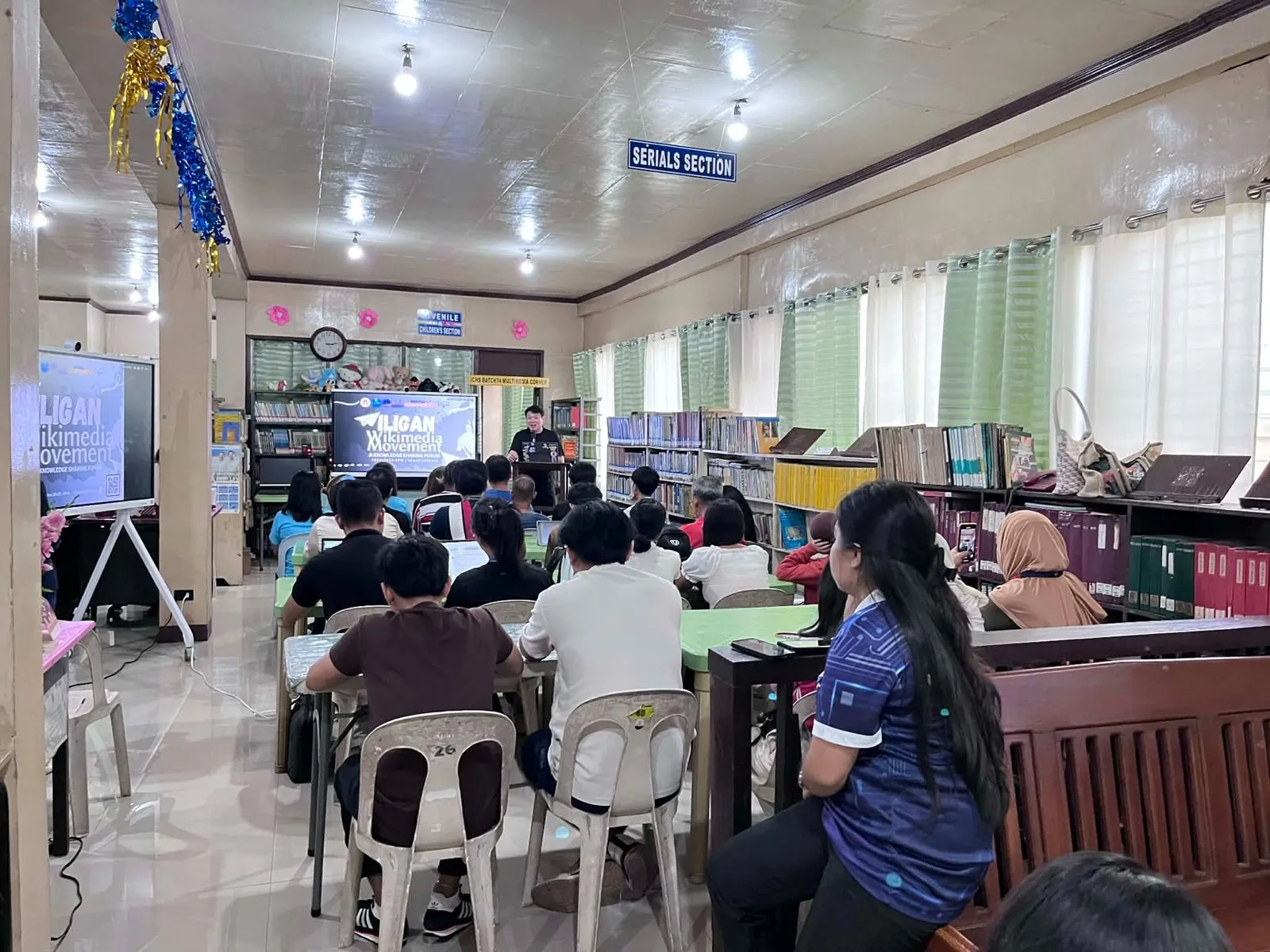 Iligan
WikiClub Iligan Launch
A new club of students, educators and volunteers for local content.
-
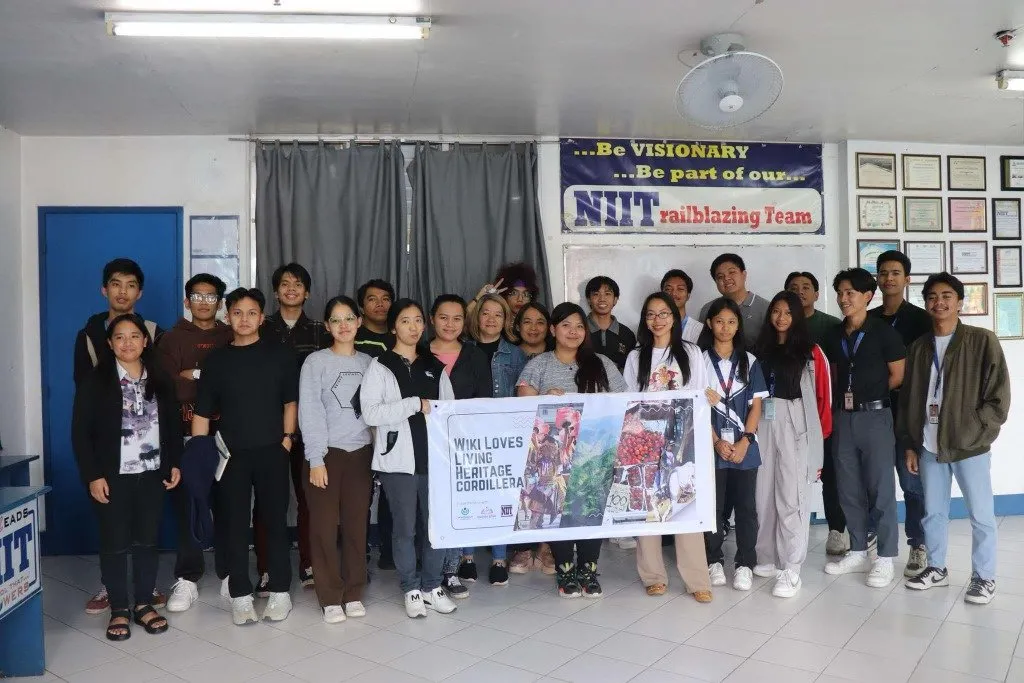 Commons
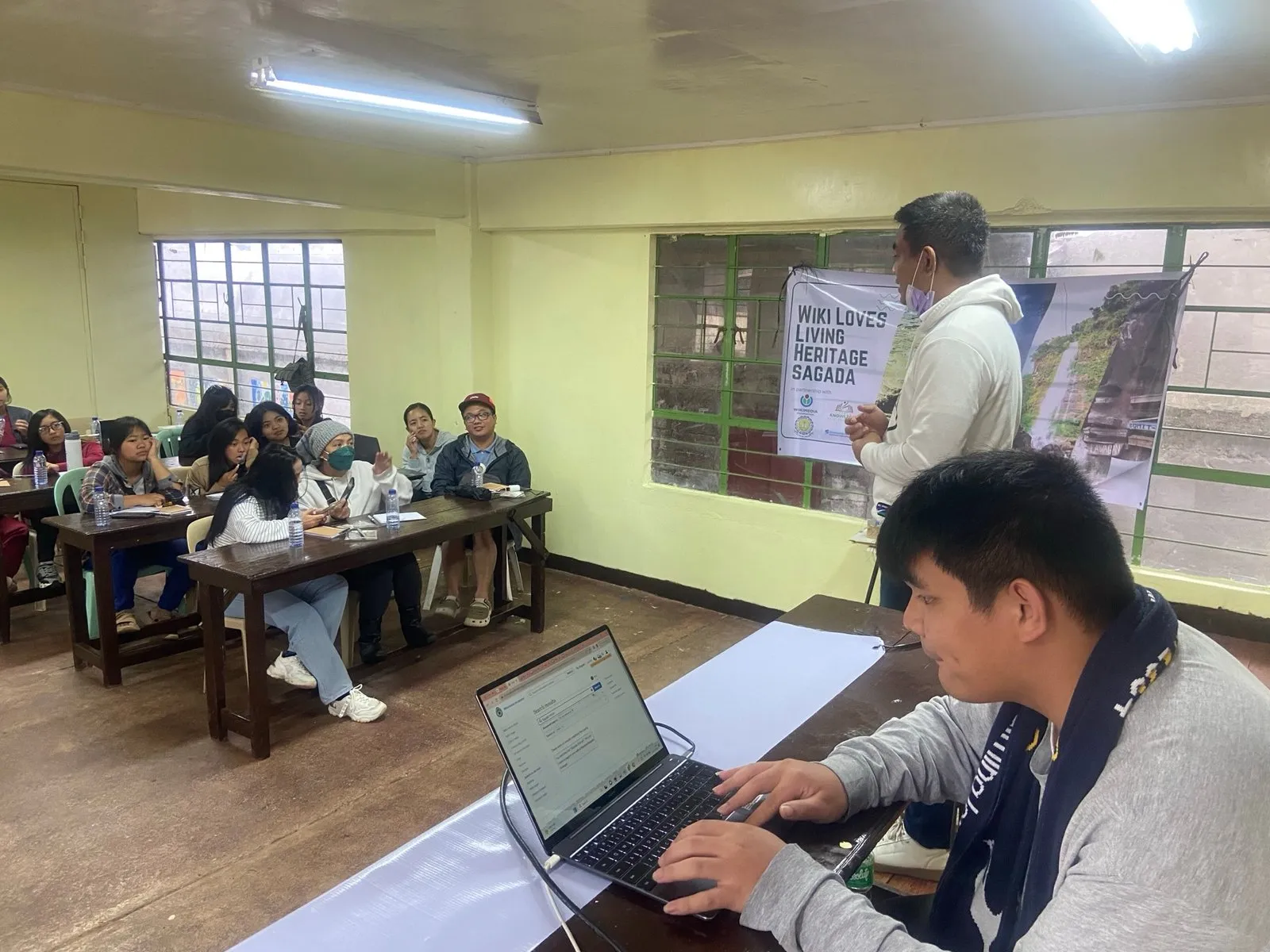
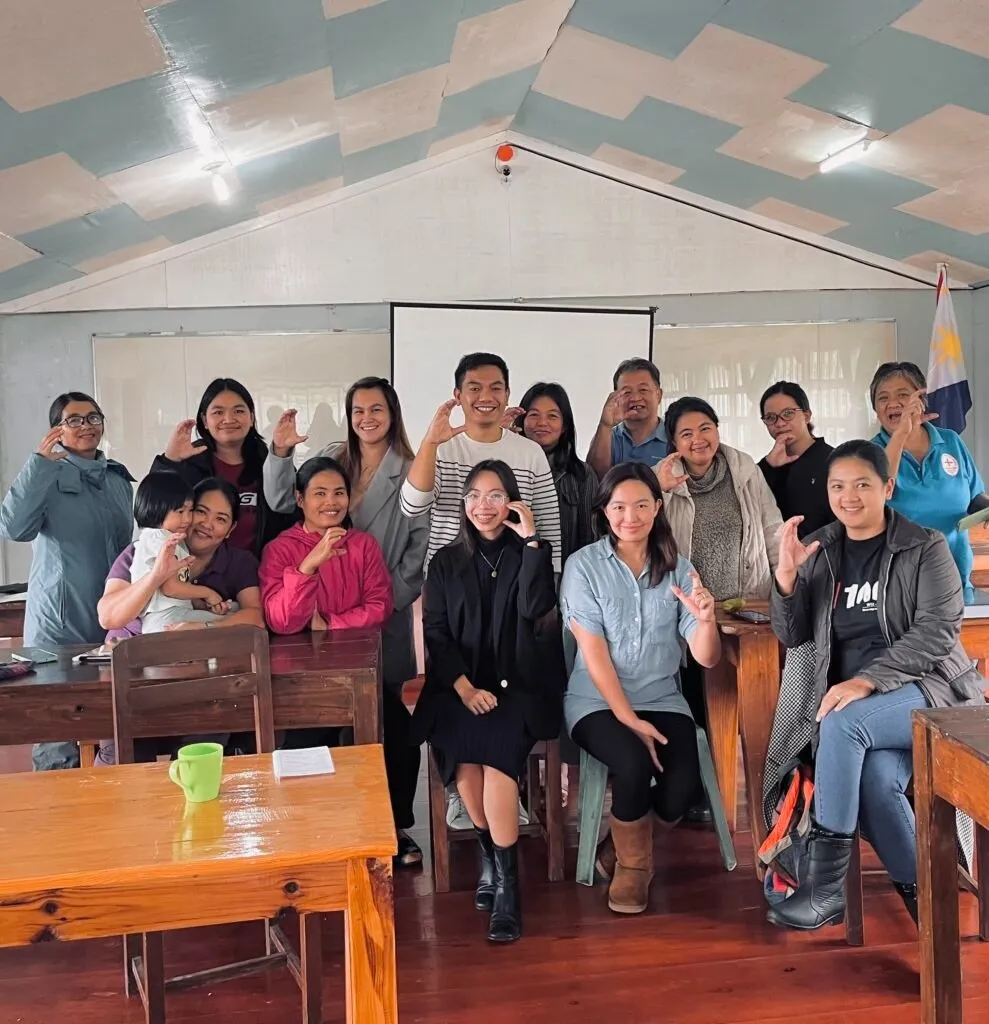
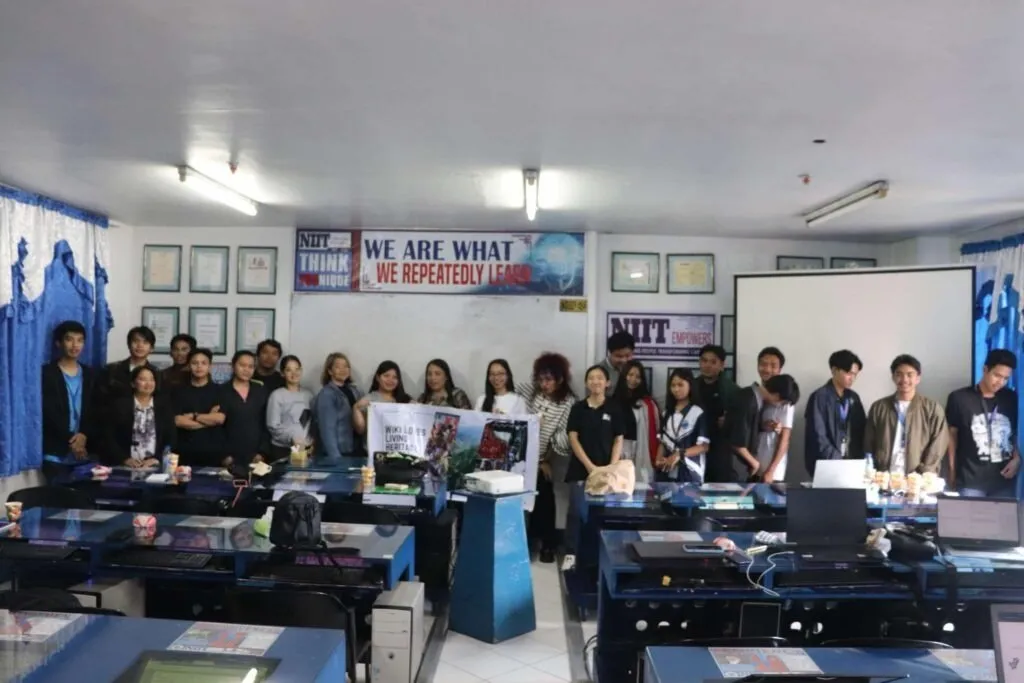
Wiki Loves Living Heritage – Mountain Province
Festivals, crafts and Kankana-ey words from the Cordillera.
-
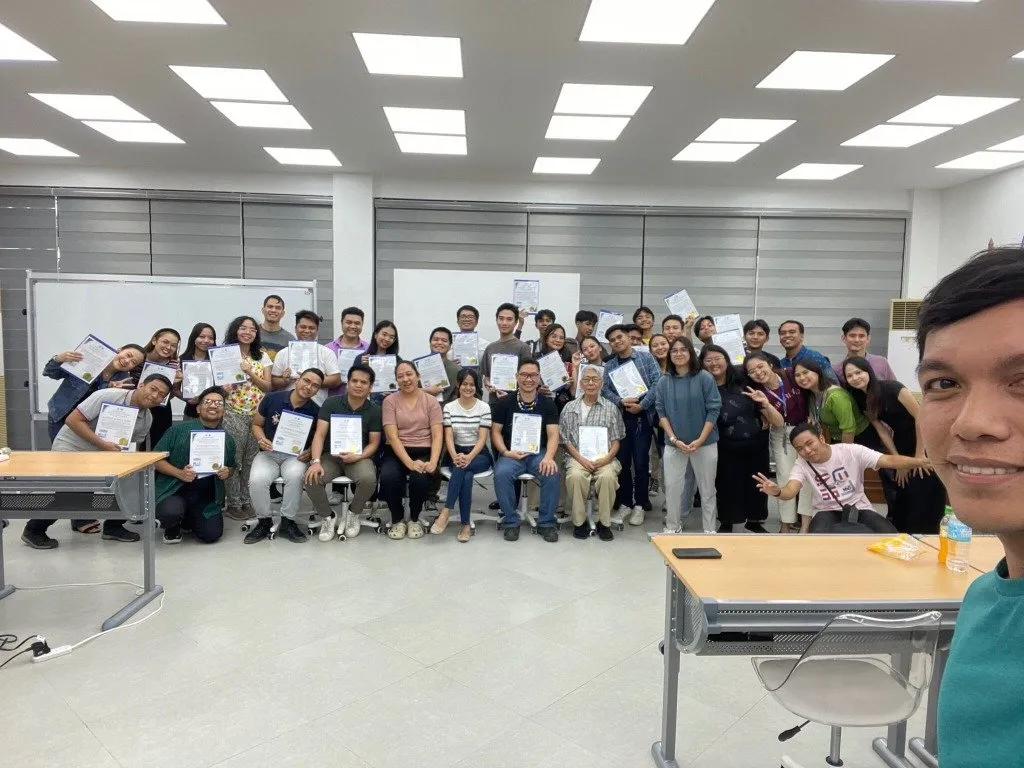 2.12K edits
Wiki Loves Living Heritage – Pangasinan
Pista'y Dayat and Pangasinense culture: 1,063 uploads.
-
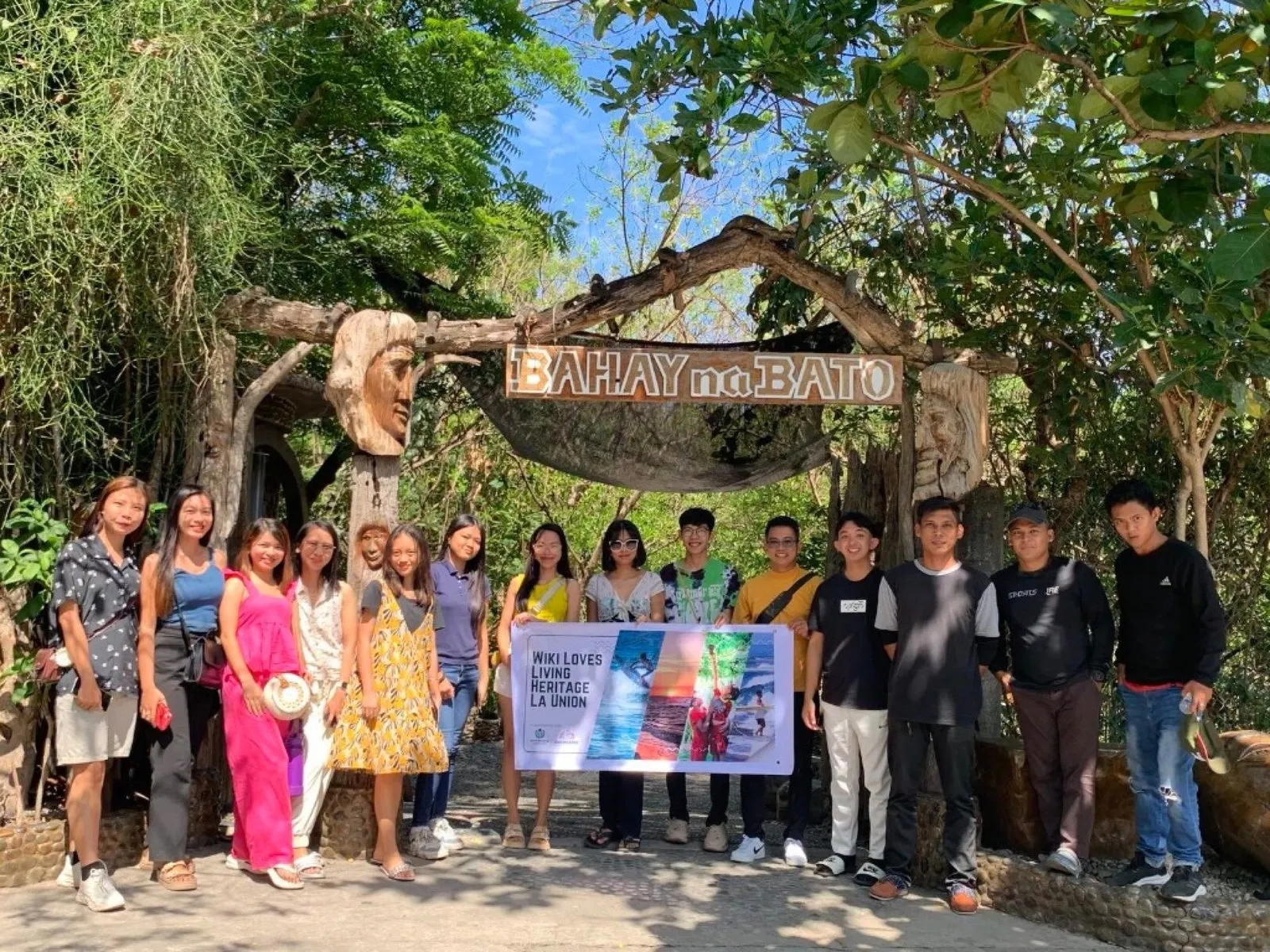 2.15K edits
Wiki Loves Living Heritage – La Union
Festivities along the La Union coast: 1,078 uploads.
From Lingayen to Davao
SKAP coordinates from Pangasinan. Its chapters and WikiClubs run their own edit-a-thons in their provinces.
Luzon
Public records, made open
Most of SKAP's work ends up as data anyone can reuse, from town ordinances to festival photographs.
- Government data on Wikidata
272K edits and 6.81M words of Philippine government and finance data.
- Local laws and ordinances
Digitized with 85 local government units, then shared on Wikisource.
- Living heritage on Commons
Over 2,100 uploads from the Pangasinan and La Union campaigns alone.
No culture left behind
If it is not recorded, it does not exist in future systems. Absence from the record is not neutrality. It is erasure.
Consent before every heritage recording
Informed, documented consent from the knowledge holder comes first. No exceptions.
Communities own their heritage records
Each record is open, restricted or private, and the community decides which.
Every record ends on Wikimedia
Commons and Wikidata keep each record in a permanent, open, global repository.
Heritage stories from the field
Talks, launches and campaigns, told by the people who ran them.
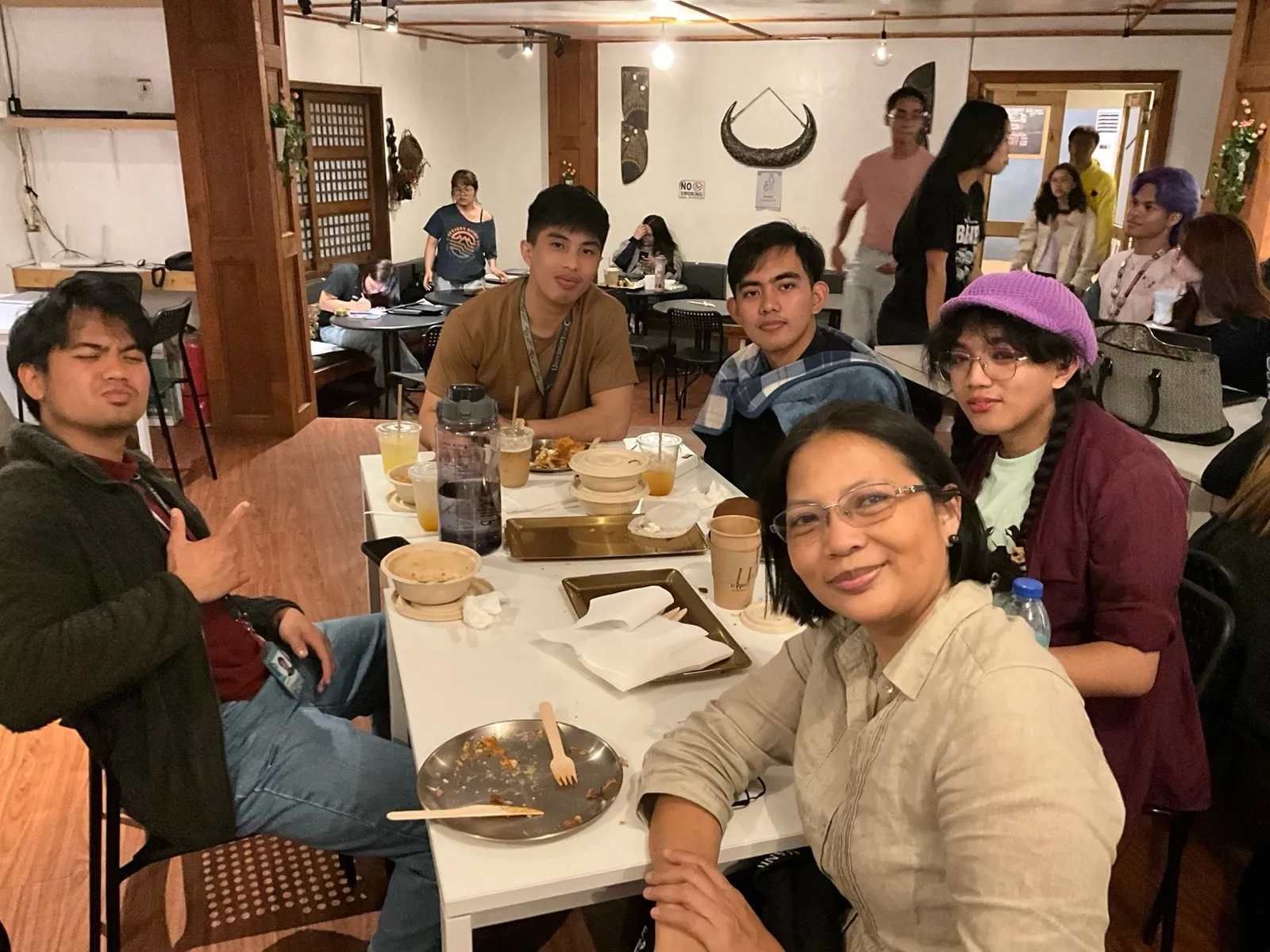
WikiNights: Wikipedia editing after sunset
Baguio and Cebu, 2026
A traveling hackathon that edits Wikipedia and records oral history after dark.
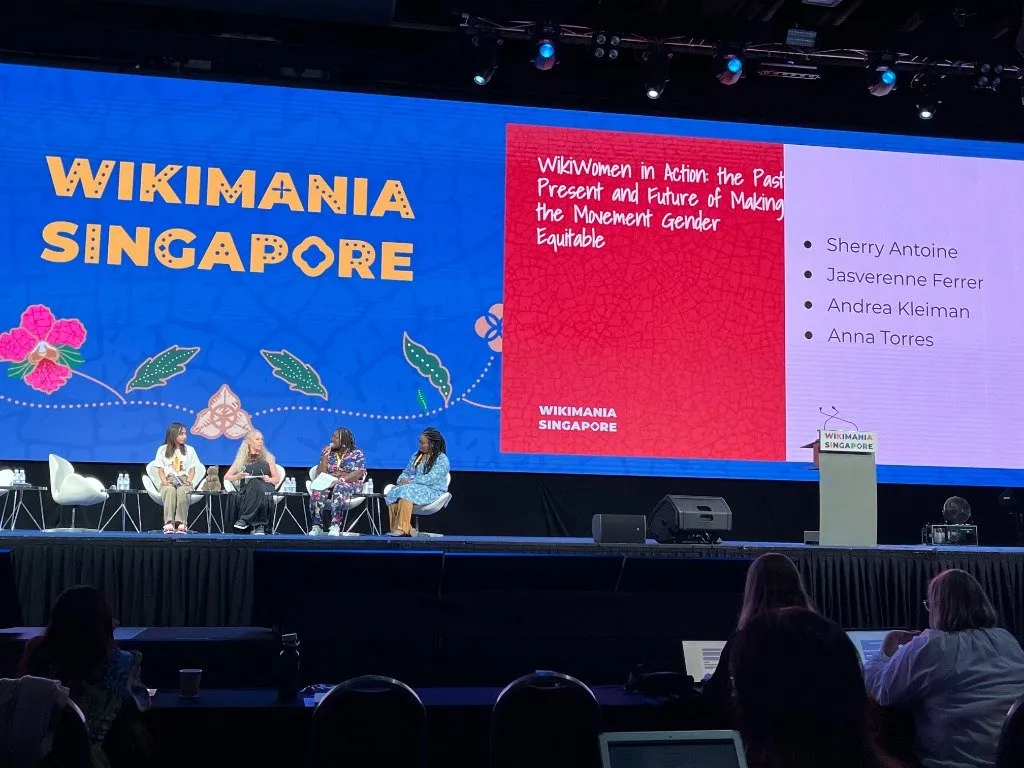
Philippine local laws at Wikimania
Singapore, 2023
Jasverenne Ferrer on putting local ordinances on Wikisource and Commons.
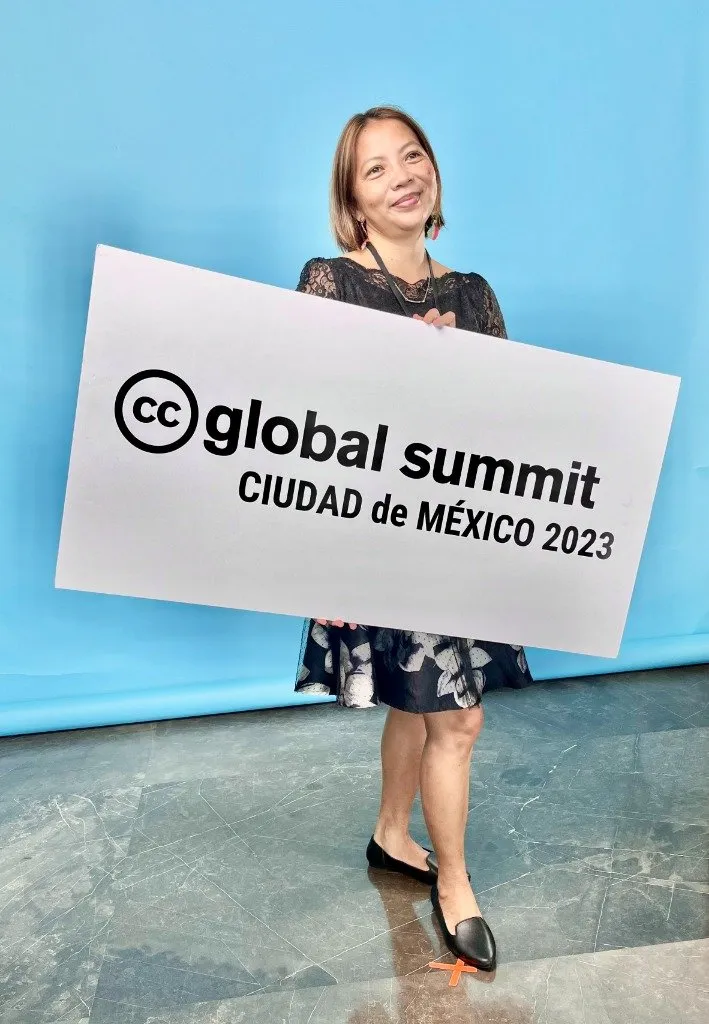
Local laws at the Creative Commons Summit
Mexico City, 2023
Commons Loves Local Laws, in a global talk on AI, copyright and culture.
Built by volunteers since 2012
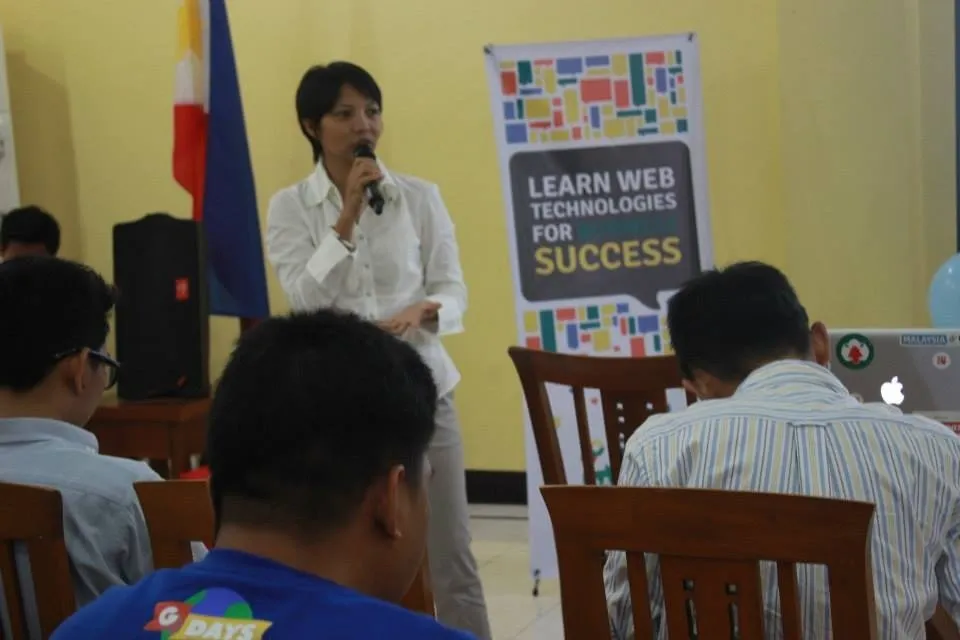
SKAP was founded by community builder, leader and strategist Vanj Padilla. She has been a volunteer for Google and Wikimedia since 2012, doing events and projects and building communities from Pangasinan to Northern Luzon.
- 102
active editors and volunteers
- 14
years of experience
- 32
completed projects since 2023
Ways into SKAP's heritage work
Volunteers, local governments, universities and organizations all start with one message.
- Become a volunteer
Organize projects and events, and expand digital knowledge bases.
- Partner with us
Governments, universities and cultural institutions, through PKCI.
- Work with us
Advisory, training and assessments in Knowledge Continuity and AI literacy.
Looking ahead
What to look forward to in 2027
In 2027 SKAP moves from expansion to consolidation: a Knowledge Continuity direction that connects local Philippine knowledge to open platforms, and builds the people, communities and institutions that keep it alive.
A Philippine Knowledge Continuity Network
Connecting local histories, languages and heritage to Wikipedia, Commons, Wikidata, Wiktionary and Wikisource.
Wikiwomen Network
A stronger Wikiwomen Network, with Knowledge Fellows, Campus Advocates and more women leading the work.
Stronger Wikimedia Communities Across the Philippines
Five more Wikiclubs, and stronger communities in Cebu, Iloilo, Davao, Iligan and Zamboanga.
SKAP Academy
A learning hub where every learner leaves with skills and a finished Knowledge Continuity project.
SKAP Anywhere
A network of tech communicators and creators telling the stories behind technology in the Philippines.
More Institutional and International Partnerships
At least ten more partnerships with universities, LGUs, libraries, museums and international networks.