 SKAP
SALIN 2026 · a partnership framework for LGUs
Community knowledge continuity for the AI age
A collaborative partnership framework for living heritage and local knowledge domains, by Shared Knowledge Asia Pacific Inc. (SKAP).
Why community knowledge continuity is critical
Knowledge that cannot be replaced
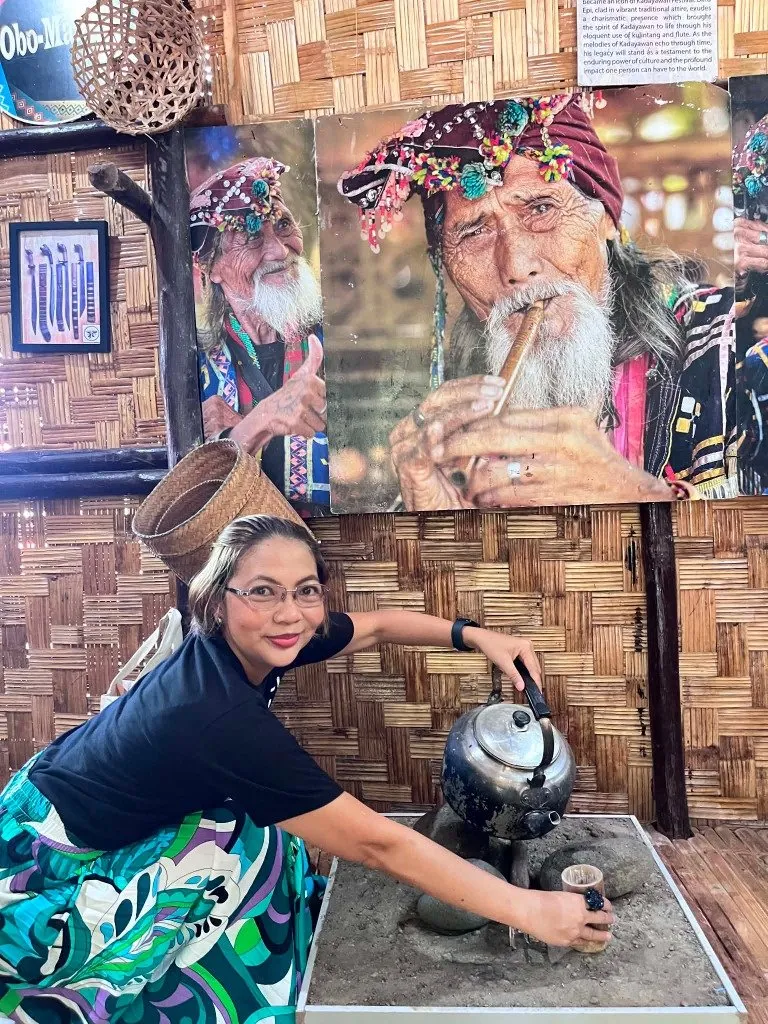
Every community possesses knowledge that cannot easily be replaced. It lives in its languages, traditions, oral histories, cultural practices, historical landmarks, local publications, artistic expressions, indigenous knowledge, and the collective memory of its people.
Unlike physical infrastructure, this knowledge is fragile. It may disappear through changing generations, the passing of community elders, disasters, the loss of local records, or simply because it was never documented.
A new challenge has emerged
Artificial intelligence is increasingly shaping how people discover places, learn history, conduct research, and understand cultures. AI systems rely on knowledge that has been responsibly documented and made accessible through reliable sources.
“Communities whose knowledge remains undocumented or difficult to discover face a growing risk of cultural omission by automation.”
SALIN was created to help communities strengthen the continuity of their knowledge by bringing together local governments, cultural institutions, educational institutions, and community organizations in a shared effort to preserve, enrich, and responsibly share living knowledge.
Why partner with SKAP's SALIN
A SALIN partnership enables an LGU to:
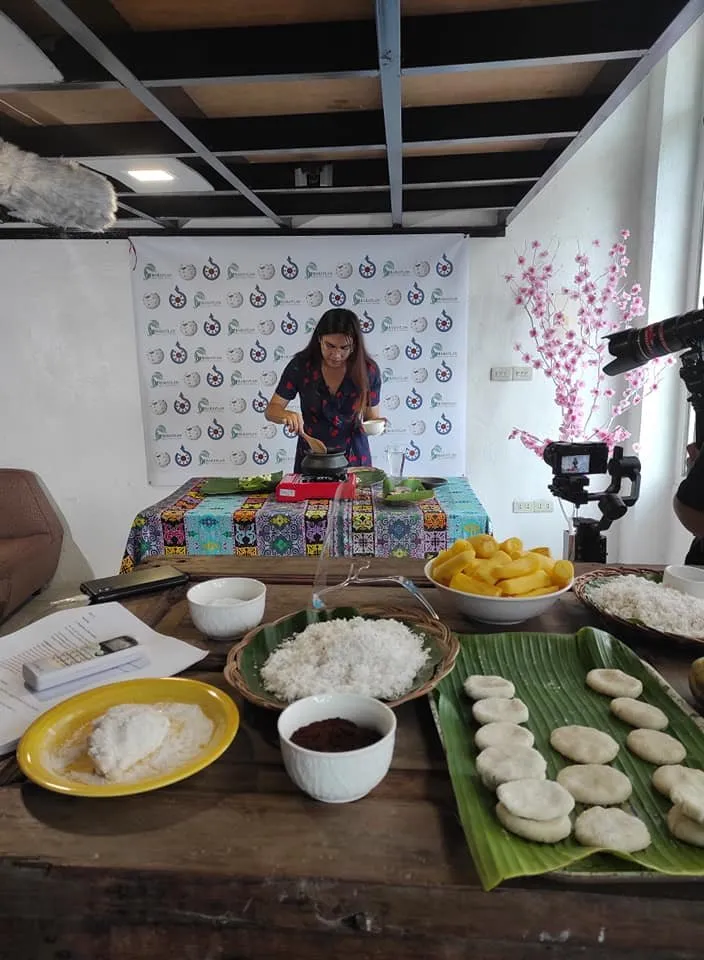
strengthen the continuity of community knowledge across generations;
improve the visibility of local knowledge in trusted public knowledge ecosystems;
support responsible documentation of living heritage and local knowledge domains;
encourage collaboration among government, cultural institutions, schools, and communities;
prepare communities for an increasingly AI-mediated information environment.
SALIN complements, and does not replace, existing cultural, tourism, education, and library programs by connecting them through a shared purpose.
What community knowledge continuity is
The sustained preservation, enrichment, and responsible transmission of knowledge that defines a community's identity across generations. It covers knowledge that belongs to the community itself:
- Local history
- Indigenous knowledge
- Local languages
- Oral traditions
- Folk practices
- Festivals and rituals
- Traditional crafts
- Community landmarks
- Notable local personalities
- Biodiversity and environmental knowledge
- Local publications and documentary heritage
These knowledge domains are strengthened through collaboration among institutions that already serve the community.
Community knowledge partners
Each partner contributes according to its mandate and expertise.
| Partner | Primary contribution |
|---|---|
| Local Government | Coordination and community leadership |
| Libraries | Local publications and references |
| Museums | Collections and exhibitions |
| Archives | Historical records and documentary heritage |
| Tourism Office | Heritage sites and cultural destinations |
| Schools and Universities | Research and student participation |
| Cultural Organizations | Living traditions and community expertise |
| Indigenous Cultural Communities | Traditional and indigenous knowledge |
| Community Volunteers | Documentation and local engagement |
The SALIN knowledge continuity cycle
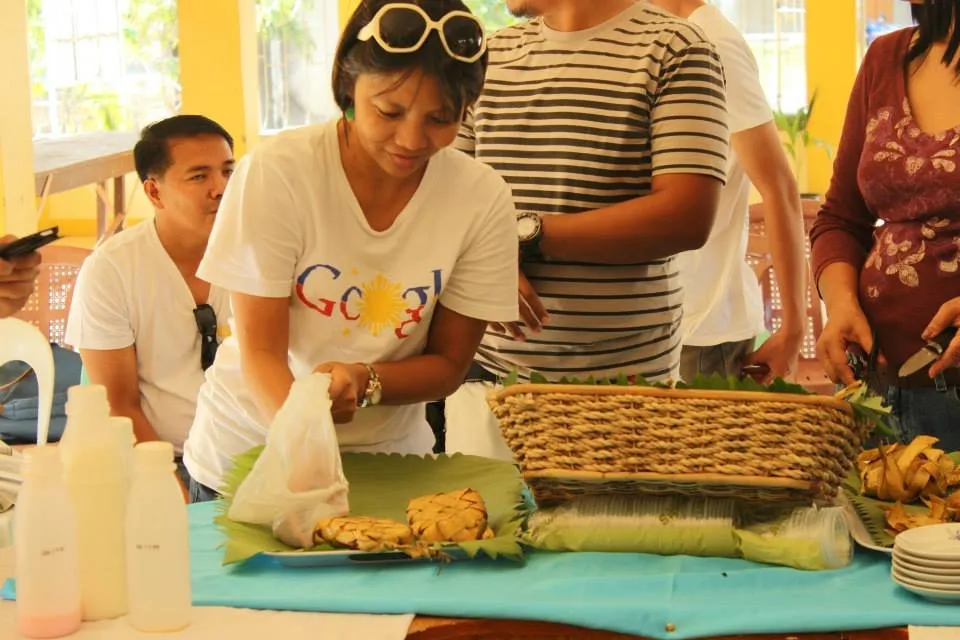
A continuous cycle of community knowledge stewardship, not a one-time documentation activity.
Identify
Recognize valuable knowledge domains, community experts, local collections, and cultural assets.
Document
Capture knowledge using reliable sources, interviews, publications, photographs, audiovisual media, and community documentation.
Verify
Ensure accuracy through appropriate references, community validation, and established documentation standards.
Share
Increase public access through appropriate knowledge platforms while respecting copyright, cultural sensitivity, and community protocols.
Sustain
Encourage continued participation, periodic updating, and intergenerational transmission of knowledge.
Partnership implementation
SALIN partnerships are collaborative engagements over about two months.
| Week | Activity |
|---|---|
| Week 1 | Executive Briefing and Community Knowledge Mapping |
| Week 2 | Partner Coordination and Resource Identification |
| Week 3 | Capacity Building and Community Documentation Activities |
| Week 4 | Knowledge Verification and Enrichment and Responsible Knowledge Sharing |
| Week 7 | Community Showcase and Recognition |
| Week 8 | Sustainability Planning |
SKAP will provide
partnership facilitation;
training and mentoring;
documentation methodologies;
learning resources;
implementation guidance;
monitoring and evaluation support.
Community partners
Community partners contribute expertise, historical knowledge, cultural resources, local networks, and subject-matter guidance.
Expected outcomes
Rather than measuring success only through activity counts, SALIN seeks to strengthen the community's capacity to sustain its knowledge. Possible outcomes include:
stronger collaboration among local knowledge institutions;
improved documentation of living heritage;
increased participation by community volunteers;
expanded public access to reliable local knowledge;
enhanced representation of community knowledge in trusted digital knowledge ecosystems;
increased awareness of the importance of community knowledge continuity in the AI era.
Specific outputs are agreed by SALIN and the partner LGU based on local priorities.
Sustainability
Community knowledge is never finished. SALIN encourages partners to continue documentation through:
local volunteer communities;
schools and universities;
libraries and museums;
cultural organizations;
annual community documentation activities;
youth engagement initiatives.
Knowledge continuity is achieved through ongoing stewardship rather than one-time projects.
SALIN questions
Is SALIN a Wikipedia project?
No. SALIN is a Community Knowledge Continuity Initiative. Wikimedia projects are among the platforms that may be used to responsibly preserve and share knowledge.
Why is AI discussed in this partnership?
Artificial intelligence increasingly relies on publicly available, reliable knowledge when responding to questions about places, cultures, and history. Communities with stronger digital knowledge are more likely to be accurately represented.
Does SALIN replace existing cultural or tourism programs?
No. SALIN complements existing initiatives by connecting institutions and communities in a shared effort to strengthen the continuity of local knowledge.
Can communities determine what knowledge is shared?
Yes. Documentation should respect applicable laws, intellectual property rights, cultural protocols, privacy considerations, and community preferences. Not all knowledge is appropriate for public dissemination, and SALIN supports responsible decision-making in collaboration with knowledge holders.
How can the partnership continue after the project?
Partners are encouraged to integrate community documentation into existing cultural, educational, tourism, library, museum, and community engagement programs while continuing collaboration among local institutions.
A shared commitment to community knowledge
Communities flourish when their knowledge is remembered, renewed, and responsibly shared, for today's residents and for future generations navigating an AI-mediated world.